
Discover seven fascinating facts about Maqui Berry, the antioxidant-rich Patagonian superfruit transforming modern wellness.
If you're interested in ways to support health and well-being, you've probably heard of superfruits like goji berries, açaí, and blueberries — but there's one lesser-known berry rapidly gaining global attention: the Maqui Berry.
What Is Maqui?
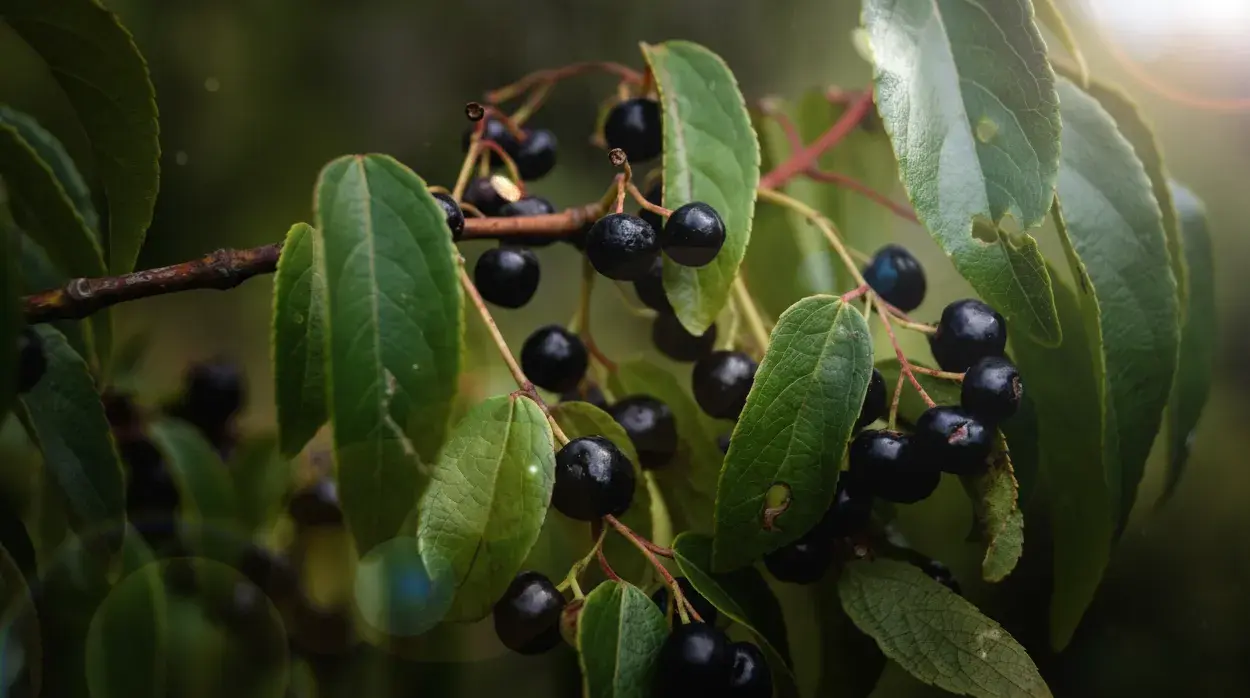
The Maqui Berry (Aristotelia chilensis) is a small, dark purple fruit endemic to the temperate forests of Chilean Patagonia, though it is also present on the Argentinean side of the Andes. It thrives in areas with high rainfall, volcanic soil, and moderate temperatures, making regions such as La Araucanía and Los Ríos ideal for natural growth.
Maqui is not widely cultivated and is primarily wild-harvested by local communities in southern Chile, using low-impact methods passed down across generations. Known as the "Patagonian Superfruit," Maqui is gaining global attention for its high antioxidant content and potential health-supporting properties.
Below, we explore seven lesser-known facts about Maqui Berry that highlight its unique origin, sourcing story, and nutritional profile.
1. A Fruit Rooted in Generations of Traditional Use
Long before Maqui reached international markets, it held a place in the everyday wellness practices of communities in southern Chile's native forests. From the fruit to its bark, different parts of the plant were valued for their functional uses across generations.
- The berries were traditionally consumed as part of everyday diet and seasonal wellness routines.
- Maqui was valued by those who needed sustained strength and endurance through physically demanding work.
- Much of this traditional knowledge has since been documented in ethnobotanical research and is now being validated through modern clinical studies.
That long history of traditional use is part of what first drew scientific attention to Maqui — and what continues to motivate the clinical research being done on it today.
2. Primarily Wild-Harvested
Unlike other superfruits such as blueberries or açaí, most commercial Maqui is still wild-harvested in southern Chile. Because it is not yet cultivated on a large scale, Maqui harvesting helps preserve biodiversity and supports the local wild-harvesting communities that sustain this practice season after season.
3. Grows in a Unique Volcanic Climate
Maqui thrives in volcanic, mineral-rich soils and cold, humid climates, especially in the Andean foothills of Patagonia. Exposure to this demanding environment may contribute to its high levels of protective phytochemicals, including anthocyanins.
Phytochemicals are bioactive, non-nutrient compounds found in plants. While not essential like vitamins or minerals, they support health by helping the body defend against oxidative stress.
4. Rich in Delphinidins: A Potent Antioxidant Profile
Maqui has the highest known concentration of delphinidin-type anthocyanins among berries. These compounds are associated with benefits related to skin wellness, eye comfort, and a balanced inflammatory response.
This deep purple pigment appears in far higher amounts in Maqui than in other berries, including blueberries and açaí. Independent laboratory testing has measured Delphinol®, a standardized Maqui berry extract, at an ORAC value of approximately 30,852 µmol TE/g — placing it among the highest antioxidant capacities recorded for a natural berry extract.1
Curious how Maqui compares to other popular superfruits? We put Maqui head-to-head with açaí, goji berries, and blueberries — including antioxidant capacity, nutrient profile, and origin — in our superfruit comparison article.
5. Backed by a Growing Body of Clinical Research
Maqui's antioxidant richness has moved beyond traditional use into a growing set of clinical studies. Here are some of the areas where standardized Maqui extracts have been studied:
Supporting a Balanced Inflammatory Response
Clinical research on standardized Maqui extract (Delphinol®) suggests it may help support a balanced inflammatory response and contribute to healthy oxidative stress markers.2 This may be of interest to individuals focused on general wellness and joint comfort.
A randomized clinical trial found that supplementation with a delphinidin-rich Maqui berry extract was associated with improved oxidative stress biomarkers in healthy, overweight, and smoking adults.
Davinelli et al., J Am Coll Nutr, 2015Metabolic Wellness Support
Some clinical research indicates that standardized Maqui extract may help support a healthy glucose response and contribute to a favorable blood lipid profile, particularly in individuals already within a healthy metabolic range.3
Eye Comfort
Certain Maqui compounds, particularly delphinidin glycosides, have been studied for their potential to support tear fluid production and help ease occasional eye discomfort associated with extended screen use.4
A randomized, double-blind, placebo-controlled trial found that a standardized Maqui extract (MaquiBright®) supported tear fluid production and helped ease self-reported eye dryness and fatigue after screen use.
Yamashita et al., J Tradit Complement Med, 2019Skin Wellness
Thanks to its antioxidant profile, Maqui extract has been studied for its potential to support skin brightness and help protect skin from the visible effects of oxidative stress.5
Cardiovascular Wellness
Early clinical research suggests Maqui extract may help support already-healthy cholesterol levels as part of an overall approach to cardiovascular wellness.3
Final Thoughts: Why Consider Maqui Berry?
From its roots in traditional Patagonian wellness practices to its wild, low-impact sourcing and growing body of scientific research, Maqui Berry offers a rare blend of heritage and modern wellness science.
Whether consumed in powder, juice, or capsule form, Maqui may support areas such as:
- Skin wellness
- Immune function
- Eye comfort
- A balanced inflammatory response
- Metabolic wellness
If you're looking to explore Maqui-based products, visit our Store Locator to find the option that best suits your needs.
Frequently Asked Questions
What makes Maqui Berry different from other superfruits?
Maqui Berry has one of the highest known concentrations of delphinidin-type anthocyanins among berries, giving it an antioxidant profile that stands out even among well-known superfruits like açaí and blueberries.
Is Maqui Berry wild-harvested or cultivated?
Most commercial Maqui Berry is still wild-harvested from the native forests of Chilean Patagonia by local communities, rather than grown on large-scale plantations. This helps preserve the biodiversity of the region.
What are delphinidins, and why do they matter?
Delphinidins are a potent subgroup of anthocyanins, the natural pigments that give Maqui its deep purple color. Maqui contains the highest known concentration of delphinidins among berries, which is linked to its exceptional antioxidant capacity.
Can Maqui Berry support eye comfort?
Clinical research on standardized Maqui extract (MaquiBright®) has shown it may help support tear fluid production and ease occasional eye discomfort associated with extended screen use.
Where does Maqui Berry grow?
Maqui grows wild in the temperate forests of Chilean Patagonia, particularly in regions like La Araucanía and Los Ríos, thriving in volcanic, mineral-rich soils and cold, humid climates.
How can I add Maqui Berry to my routine?
Maqui is available in several formats, including standardized extract capsules like Delphinol® and MaquiBright®, powders, and functional beverages. Use our Store Locator to find the option that best fits your routine.
These statements have not been evaluated by the Food and Drug Administration. This product is not intended to diagnose, treat, cure, or prevent any disease.
References
- Watson RR, et al. Nutraceutical and antioxidant effects of a delphinidin-rich maqui berry extract (Delphinol®). Minerva Cardioangiol. 2015;63(Suppl. 1 No. 2):3-8.
- Davinelli S, Bertoglio JC, Zarrelli A, Pina R, Scapagnini G. A randomized clinical trial evaluating the efficacy of an anthocyanin–maqui berry extract (Delphinol®) on oxidative stress biomarkers. J Am Coll Nutr. 2015;34(S1):28-33. doi:10.1080/07315724.2015.1080108
- Alvarado J, Schoenlau F, Leschot A, Salgado AM, Portales PV. Delphinol® standardized maqui berry extract significantly lowers blood glucose and improves blood lipid profile in prediabetic individuals in three-month clinical trial. Panminerva Med. 2016;58:1-6.
- Yamashita SI, Suzuki N, Yamamoto K, Iio SI, Yamada T. Effects of MaquiBright® on improving eye dryness and fatigue in humans: a randomized, double-blind, placebo-controlled trial. J Tradit Complement Med. 2019;9:172-178. doi:10.1016/j.jtcme.2018.11.001
- Shimizu N, et al. Effect of maqui berry extract on skin brightness and redness: a randomized controlled trial. J Cosmet Dermatol Sci Appl. 2020;10(4):159-166. doi:10.4236/jcdsa.2020.104017